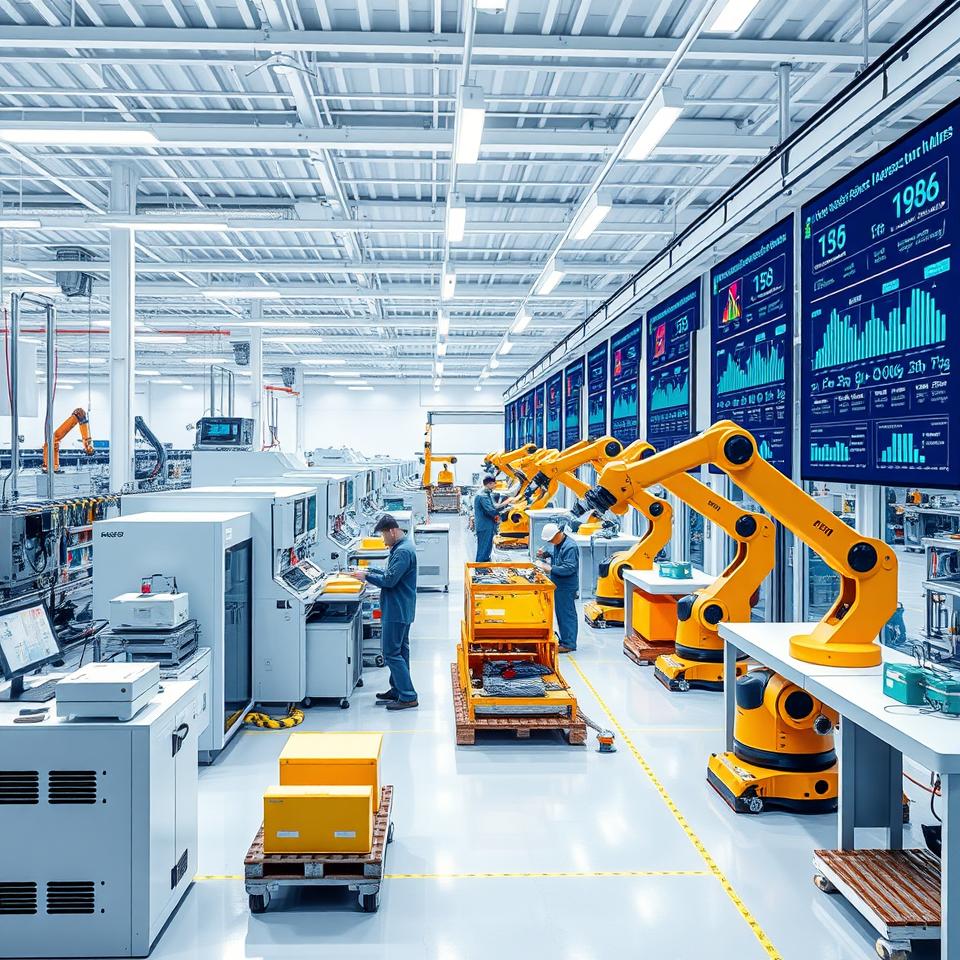
Manufacturing companies in Charlotte face a growing challenge: protecting their production systems, plant networks, and sensitive business data from a range of cyber threats. As the manufacturing sector embraces the Fourth Industrial Revolution, bringing in artificial intelligence, the Internet of Things, and big data analytics, the attack surface for cyber incidents expands. Cybersecurity for manufacturing has become an essential business priority, not just a technical concern. Understanding what this means and how to address it can help Charlotte manufacturers stay productive, secure, and resilient.
What Is Cybersecurity for Manufacturing?
Cybersecurity for manufacturing is a broad discipline that combines technology, expertise, and best practices to protect factory environments. Different experts emphasize different aspects. According to Sophos, it is a “toolset of technology solutions, human expertise, threat intelligence, and business best practices.” Convergencenetworks describes it as “the protection of production systems, plant networks, operational technology, and business data.” SafetyCulture adds that it refers to “the digital hardware, software, and practices needed for protecting factories, production systems, and more.”
Taken together, these definitions show that manufacturing cybersecurity covers both information technology (IT) and operational technology (OT). It includes everything from computer networks and servers to the controllers and sensors that run machinery on the factory floor. For a Charlotte manufacturer, this means securing the systems that manage inventory, control robotic arms, monitor assembly lines, and store customer order data.
Key Cyber Threats Facing Manufacturers
Manufacturing companies are attractive targets for a variety of threat actors. Darktrace, a cybersecurity vendor, breaks down the attackers into several categories: financially motivated threat actors, nation-states, hacktivists, and competitors engaged in industrial espionage. Each group has different motives, but the result can be similar, disrupted production, compromised sensitive data, and significant financial losses.
A notable example is the EKANS ransomware strain that surfaced in 2020. According to Darktrace, EKANS disrupted manufacturing facilities worldwide by targeting industrial control system (ICS) vulnerabilities. The attacks caused dramatic production declines and huge costs for affected companies. This incident highlights how ransomware can shut down physical operations, not just encrypt files.
The rise of Industry 4.0 introduces additional challenges. As manufacturers integrate AI, IoT devices, and big data analytics, interconnectivity grows. More connected devices mean more potential entry points for attackers. Technologies like wearable sensors, machine learning, virtual and augmented reality, and 5G networks expand the attack surface and require robust security measures.

Building a Strong Cybersecurity Framework for Manufacturing
To address these threats, manufacturers need a structured approach. IBM advises that manufacturers “must establish strong cybersecurity frameworks that govern all aspects of their operations, including enforcing strict access controls.” A framework helps ensure consistent protection across IT and OT environments, from employee workstations to programmable logic controllers.
The National Institute of Standards and Technology (NIST) provides dedicated resources for manufacturers. NIST’s MEP Cybersecurity Resources for Manufacturers offers guidance, solutions, and training tailored to the manufacturing sector. Manufacturers in Charlotte can start by reviewing these materials and understanding where their current defenses fall short. Proactive steps such as segmenting plant networks, controlling user access, and monitoring for unusual activity can reduce risk.
Understanding current cyber threats and mitigation strategies is the foundation, according to Palo Alto Networks. This means staying informed about the types of attacks targeting manufacturing, ransomware, phishing, supply chain compromises, and putting protections in place before incidents occur.

How Managed IT Services Can Help Charlotte Manufacturers
For many small and medium-sized manufacturers in Charlotte, building and maintaining a comprehensive cybersecurity program in-house can be challenging. That is where manufacturing IT support in Charlotte from a provider like Network Essentials adds value. Network Essentials offers cybersecurity services that include threat detection, encryption, network security, compliance assistance, and risk management. Their team holds CISSP certifications and takes a security-first approach to every client engagement.
Beyond cybersecurity, Network Essentials provides proactive managed IT services such as 24/7 infrastructure monitoring and help desk support. They also offer cloud solutions, data backup and disaster recovery, and co-managed IT services for companies that already have internal IT staff but need extra capacity or strategic guidance. For manufacturers exploring artificial intelligence, Network Essentials can assist with AI readiness assessments, AI policy development, and secured AI platforms.
By partnering with a local provider that understands both manufacturing operations and cybersecurity best practices, Charlotte businesses can focus on production while leaving the technical protection to experts. This partnership helps manufacturers stay compliant with industry requirements and recover quickly if an incident does occur.
Steps to Improve Cybersecurity for Your Manufacturing Business
Even without a dedicated security team, manufacturing companies can take practical steps to strengthen their defenses. Based on the guidance from Palo Alto Networks, start by conducting a thorough assessment of your current cyber threats and the mitigation strategies already in place. Identify what systems are connected to the internet, who has access to sensitive controls, and how data flows between IT and OT networks.
Next, enforce strict access controls as recommended by IBM. This means limiting user permissions to only what is necessary for each role, requiring strong passwords and multi-factor authentication, and regularly reviewing access lists. Physical access to plant floor systems should also be restricted.
Leverage the NIST MEP Cybersecurity Resources to find training and frameworks suited to your operation. Even small steps, like patching software regularly and segmenting networks, can prevent many common attacks. Finally, consider working with a managed IT provider that offers incident response and continuous monitoring, an outside expert can spot threats that internal staff might miss.

Frequently Asked Questions
What is the biggest cyber threat to manufacturing companies?
The manufacturing sector faces threats from financially motivated criminals, nation-states, hacktivists, and competitors engaged in industrial espionage. Ransomware like the EKANS strain has caused major production declines and financial losses by targeting industrial control systems. The specific biggest threat varies by company, but all manufacturers should prepare for disruptive attacks that affect both IT and OT environments.
Do small manufacturers need cybersecurity?
Yes. Small and medium-sized manufacturers in Charlotte are often targets because they may have weaker defenses than large enterprises. A single ransomware incident can halt production and lead to significant costs. Implementing basic cybersecurity measures such as access controls, network segmentation, and employee training is essential regardless of company size.
How can manufacturers protect their operational technology systems?
Protecting OT systems starts with understanding the specific threats to production networks and using a cybersecurity framework that covers both IT and OT. NIST offers MEP resources with guidance tailored to manufacturers. Steps include network segmentation to isolate plant floor systems, enforcing strict user access, and continuously monitoring for unusual activity. A managed IT provider with OT expertise can help implement these measures.
Cybersecurity for manufacturing is not a one-time project, it is an ongoing practice. Charlotte manufacturers who invest in understanding their risks, adopting frameworks, and partnering with local experts can protect their operations, data, and reputation. With the right approach, production lines stay running, customer trust remains strong, and the business is prepared for whatever comes next. If you are ready to evaluate your cybersecurity posture, consider reaching out to a Charlotte-based managed IT services provider like Network Essentials for a conversation tailored to your manufacturing environment.